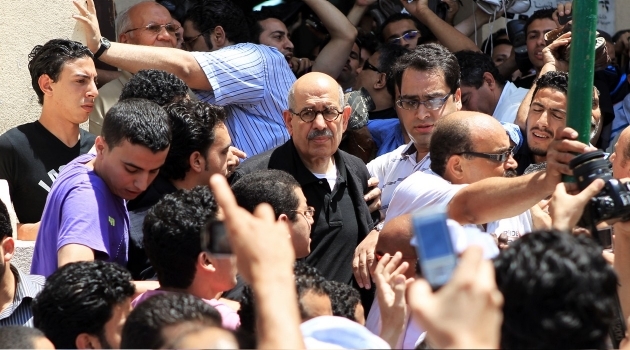
The Arab world has not been as stagnant nor as apathetic as is widely claimed. This week’s events in Egypt, while unusual in their scale, are a continuation of a movement that can be traced back through my whole lifetime: from anti-Gulf war protests in the early 90s to protests against IMF structural adjustments in the late 90s, to second intifada solidarity in 2001, massive anti-war protests in 2003, the pro-democracy Kefaya movement of 2004-06, wildcat strikes nationwide in 2006-08, the struggle for a minimum wage in 2008-09 and the anti-torture protests of 2010. The organisers and leaders have been active and involved for at least five to 10 years now.
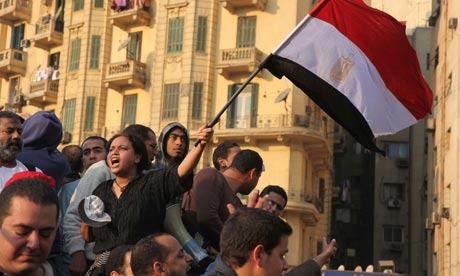
However, the events in Tunisia not only injected a new hope and inspired tens of thousands of new protesters to participate, they spread the word “revolution”. Since the decline of the Kefaya movement – the unofficial name for the Egyptian Movement for Change – common wisdom dictated that activists should focus on economic issues, such as the minimum wage, and the daily humiliations faced by ordinary Egyptians, or on justice for victims of torture such as Khaled Said. So the organisers of the 25 January protest, while inspired by Tunisia, stuck to this formula, only to be overwhelmed by tens of thousands of previously unpoliticised people spontaneously chanting, “The people want the regime to go down” (or rather the people will bring down the regime) – a crude, very rhythmic and totally new slogan that emerged from the ranks of the uninitiated, not the experienced activists.
On Twitter Tunisians responded to news that Egyptian protesters had borrowed two lines from their national anthem by telling us how they sang revolutionary songs by the Egyptian leftist duo Sheikh Imam and Ahmad Fouad Negm. From the internet and satellite TV a new pan-Arabism is born: my generation was not brought up on Arabist propaganda as past generations were, yet in our attempts to revolt we automatically find solidarity. Gazans have been watching the events with even more enthusiasm than Egyptians, for our victory will have a big impact on them.
This is a reality born out of technology, geopolitics and shared circumstances, but it is also fragile. The internet also encourages sectarianism and consumerism; other identities are competing, such as the recent football wars between Egypt and Algeria. But thanks to Bouazizi, Sidi Bouzid and the Tunisian revolution, a pan-Arabism rooted in a quest for dignity and justice is now likely to dominate.
Alaa Abd El Fatah is a prominent Egyptian blogger.





Recent Comments
Archives
- October 2026
- September 2026
- August 2026
- July 2026
- June 2026
- May 2026
- April 2026
- March 2026
- February 2026
- January 2026
- December 2025
- November 2025
- October 2025
- September 2025
- August 2025
- July 2025
- June 2025
- May 2025
- April 2025
- March 2025
- February 2025
- January 2025
- December 2024
- November 2024
- October 2024
- September 2024
- August 2024
- July 2024
- June 2024
- May 2024
- April 2024
- March 2024
- February 2024
- January 2024
- December 2023
- November 2023
- October 2023
- September 2023
- August 2023
- July 2023
- June 2023
- May 2023
- April 2023
- March 2023
- February 2023
- January 2023
- December 2022
- April 2022
- March 2022
- February 2022
- January 2022
- November 2021
- October 2021
- September 2021
- August 2021
- July 2021
- June 2021
- May 2021
- April 2021
- March 2021
- February 2021
- January 2021
- December 2020
- November 2020
- October 2020
- September 2020
- August 2020
- July 2020
- June 2020
- May 2020
- April 2020
- March 2020
- February 2020
- January 2020
- December 2019
- November 2019
- October 2019
- September 2019
- August 2019
- July 2019
- June 2019
- May 2019
- April 2019
- March 2019
- February 2019
- January 2019
- December 2018
- November 2018
- October 2018
- September 2018
- August 2018
- July 2018
- June 2018
- May 2018
- April 2018
- March 2018
- February 2018
- January 2018
- December 2017
- November 2017
- October 2017
- September 2017
- August 2017
- July 2017
- June 2017
- May 2017
- April 2017
- March 2017
- February 2017
- January 2017
- December 2016
- November 2016
- October 2016
- September 2016
- August 2016
- July 2016
- June 2016
- May 2016
- April 2016
- March 2016
- February 2016
- January 2016
- December 2015
- November 2015
- October 2015
- September 2015
- August 2015
- July 2015
- June 2015
- May 2015
- April 2015
- March 2015
- February 2015
- January 2015
- December 2014
- November 2014
- October 2014
- August 2014
- July 2014
- June 2014
- May 2014
- April 2014
- March 2014
- February 2014
- January 2014
- December 2013
- November 2013
- October 2013
- September 2013
- August 2013
- July 2013
- June 2013
- May 2013
- April 2013
- March 2013
- January 2013
- December 2012
- November 2012
- October 2012
- September 2012
- August 2012
- July 2012
- June 2012
- May 2012
- April 2012
- March 2012
- February 2012
- January 2012
- December 2011
- November 2011
- October 2011
- September 2011
- August 2011
- July 2011
- June 2011
- May 2011
- April 2011
- March 2011
- February 2011
- January 2011
- December 2010
Categories
Meta


