Recent Comments
Archives
- October 2026
- September 2026
- August 2026
- July 2026
- June 2026
- May 2026
- April 2026
- March 2026
- February 2026
- January 2026
- December 2025
- November 2025
- October 2025
- September 2025
- August 2025
- July 2025
- June 2025
- May 2025
- April 2025
- March 2025
- February 2025
- January 2025
- December 2024
- November 2024
- October 2024
- September 2024
- August 2024
- July 2024
- June 2024
- May 2024
- April 2024
- March 2024
- February 2024
- January 2024
- December 2023
- November 2023
- October 2023
- September 2023
- August 2023
- July 2023
- June 2023
- May 2023
- April 2023
- March 2023
- February 2023
- January 2023
- December 2022
- April 2022
- March 2022
- February 2022
- January 2022
- November 2021
- October 2021
- September 2021
- August 2021
- July 2021
- June 2021
- May 2021
- April 2021
- March 2021
- February 2021
- January 2021
- December 2020
- November 2020
- October 2020
- September 2020
- August 2020
- July 2020
- June 2020
- May 2020
- April 2020
- March 2020
- February 2020
- January 2020
- December 2019
- November 2019
- October 2019
- September 2019
- August 2019
- July 2019
- June 2019
- May 2019
- April 2019
- March 2019
- February 2019
- January 2019
- December 2018
- November 2018
- October 2018
- September 2018
- August 2018
- July 2018
- June 2018
- May 2018
- April 2018
- March 2018
- February 2018
- January 2018
- December 2017
- November 2017
- October 2017
- September 2017
- August 2017
- July 2017
- June 2017
- May 2017
- April 2017
- March 2017
- February 2017
- January 2017
- December 2016
- November 2016
- October 2016
- September 2016
- August 2016
- July 2016
- June 2016
- May 2016
- April 2016
- March 2016
- February 2016
- January 2016
- December 2015
- November 2015
- October 2015
- September 2015
- August 2015
- July 2015
- June 2015
- May 2015
- April 2015
- March 2015
- February 2015
- January 2015
- December 2014
- November 2014
- October 2014
- August 2014
- July 2014
- June 2014
- May 2014
- April 2014
- March 2014
- February 2014
- January 2014
- December 2013
- November 2013
- October 2013
- September 2013
- August 2013
- July 2013
- June 2013
- May 2013
- April 2013
- March 2013
- January 2013
- December 2012
- November 2012
- October 2012
- September 2012
- August 2012
- July 2012
- June 2012
- May 2012
- April 2012
- March 2012
- February 2012
- January 2012
- December 2011
- November 2011
- October 2011
- September 2011
- August 2011
- July 2011
- June 2011
- May 2011
- April 2011
- March 2011
- February 2011
- January 2011
- December 2010
Categories
Meta
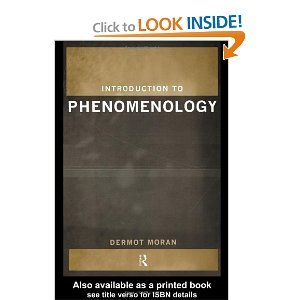
Amazon.com: Introduction to Phenomenology (9780415183734): Dermot Moran: Books
via amazon.com
Mr. Moran has produced a necessary history and provided an understandable and well written introduction to one of the most interesting and complicated philosophical schools. I’m always turning to it when my memory fails or when I’m confused or when I want to fortify myself against my own ignorance.
Posted in Uncategorized
Leave a comment
Schumpeter: The crescent and the company | The Economist

via economist.com
Given that the world experienced the greatest economic disaster since the Great Depression under ‘Free Market Capitalism’ or its imitation, you would think that Capitalist Triumphalism wedded to a definable cultural/religious chauvinism would be out of place. Our Capitalism is best due to specific conditions of greater imagination and institutional inventiveness! Well, we are living in the watershed of that ‘imagination’ and ‘institutional inventiveness’ and the opportunism, the dog eat dog ‘value’ of Capitalism, that knows no loyalty except to profit. What is the human endeavor about: profit or a better life for all humans? A rising tide lifts all boats- hell no! Or is that a question outside the scope of Economics?
Yours,
Democratic Socialist
Posted in Uncategorized
Leave a comment
Palestinian killed after settlers open fire in West Bank village – Haaretz Daily Newspaper | Israel News

via haaretz.com
Posted in Uncategorized
Leave a comment
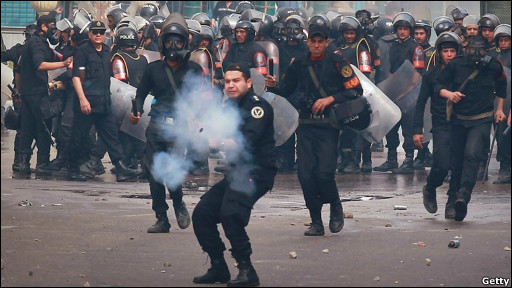
BBC فارسی – جهان – برخورد ماموران پلیس با تظاهرکنندگان در شهرهای مصر
via bbc.co.uk
Posted in Uncategorized
Leave a comment
Egypt’s Struggle for Freedom – By Yasser El-Shimy | Foreign Policy
Posted in Uncategorized
Leave a comment
After Tunisia: Laila Lalami on Morocco | Books | The Guardian
In Tayeb Salih’s Season of Migration to the North, published in 1966, an unnamed university graduate returns to his home country, Sudan, full of hope about the new era of independence in his country. But an old man from his ancestral village warns him: “Mark these words of mine, my son. Has not the country become independent? Have we not become free men in our own country? Be sure, though, that they will direct our affairs from afar. This is because they have left behind them people who think as they do.”
As Salih predicted, the regimes that have followed European occupation of the Arab world have consolidated power in the hands of a small elite, which was often beholden to foreign countries and bent on repressing the civil and human rights of its people. Over the last two generations, the majority of young Arabs have known only two or three heads of state, each brought to office thanks to heredity, coup d’état, or sham elections. This is why, reading about the events in Tunisia earlier this month, it seemed to me I was witnessing the first national uprising in the Arab world since independence.
And what joy it is to be alive at this moment! To see Ben Ali chased out of the country he led for 23 long years is to feel that nothing is impossible. While the rest of the world was busy trying to come up with a suitable name for this revolution, the Tunisian people coined a new verb: “se benaliser”, which means “to run away in fear”. It is certainly a lovelier coinage than the one they lived with for far too long: “se trabelsier,” which means, “to steal, in the manner of the Trabelsis”. (The Trabelsis are the widely despised family of Ben Ali’s wife, Leila Trabelsi.)
The aftershocks of the Tunisian uprising are beginning to be felt across the region, with a spate of self-immolations and street protests. The doyen of Arab dictators, Muammar Gaddafi, in power for 41 years, seems particularly worried, given his scolding of Tunisian protesters and his rush to stamp out protests in Libya over subsidised housing. The slogans used by protesters in Cairo and Alexandria demonstrate how much they have been inspired by their Tunisian brothers: “Mubarak, dégage!” (“Mubarak out!”) said one. And “Mubarak, Mubarak, Ben Ali welcomes you – the Jedda Hotel awaits you.”
Of course, protests in the Arab world are nothing new. The Arab dictators long ago learned how to muzzle the independent press, to stifle political opposition, to instil fear in their citizens and especially to let young people blow off a little steam every once in a while. But Tunisia demonstrated what hundreds of hypocritical lectures on democracy could not: even against such odds, change is possible. In that sense, it has transformed the Arab world.
Laila Lalami is a Moroccan-born writer and critic.
via guardian.co.uk
Posted in Uncategorized
Leave a comment
After Tunisia: Tamim Al-Barghouti on Palestine | Books | The Guardian
The tyrant exists only in the imagination of his subjects; the master resides only in the perception of the slave. Attempts at defiance have been abundant in the recent history of the Arabs, many of them in Palestine, but unlike those, the Tunisian example was successful: it widened people’s imagination, changed their perception, increased their self-confidence and showed them how fragile their tyrants are.
Revolutions travel, and in the Arab world they travel faster: after the first world war, a wave of revolutions swept through the region: Egypt in 1919, Iraq in 1920, Syria in 1925, a guerrilla war in Palestine from 1922-35 and a full-scale popular revolt from 1936-39. After the loss of Palestine to the Zionist movement in 1948, Arab leaders who were perceived to be incompetent and complicit were punished. This time there were political assassinations and military coups: 1949 Lebanon and Syria, 1951 Jordan, 1952 Egypt and 1958 Iraq. More recently, when the Lebanese resistance was able to defeat Israel and force it to withdraw under fire in May 2000, the second Palestinian intifada began a few months later. Despite the difference in performance, Gaza 2008 was a replay of Lebanon 2006. In both wars, Israel killed many civilians but was unable to achieve any of its political goals.
But Tunisia was a first in the Arab world, in that it was a non-violent, persistent and eventually successful people’s revolution against a native tyrant allied with the west. The other events were either directed against a colonial power or were military coups, leaving the Arab rulers and their colonial allies with the impression that occupation was immune to popular anger. It also was a first in that it showed how ordinary people can be quite good in the art of government. Street committees were formed to prevent looting, some cities formed their own governing bodies to fill the vacuum after the fall of the regime – such bodies were democratic in the rawest sense of the word, legitimate and efficient.
Now the wave is coming. I will venture to say that the Egyptian regime has already fallen: it might take some time, but the fear, the perception that the regime is invincible has gone once and for all. All this is followed quite closely in Palestine; any future intifada will not be directed only against the occupation, but also against any Palestinian entity that co-operates with the occupation. Tunisia sent out the message that client regimes fall – that if we can drive the empires out, we will surely be able to drive out their vassals.
As I write, demonstrations rage in the streets of Cairo: everyone knows that if they stay at home, they will be compromising the safety of those in the streets, as well as their own freedom. Cairo knows and Cairo moves. Ramallah worries that an empowered Cairo means an empowered Gaza, and Tel Aviv and Washington know that instead of just Iran, they will now have to worry about Iraq, Syria, Lebanon, Egypt and Palestine all at once.
Tamim Al-Barghouti is a Palestinian poet. He is currently a visiting assistant professor at Georgetown University’s Center for Contemporary Arab Studies.
via guardian.co.uk
Posted in Uncategorized
Leave a comment


