Newspaper Reader: Where might The Reader look for alternative sourses of information about The Shoah?

May 17, 2025
Editor: Steven Spielberg is a phenominon of Pop Culture Entertainment! Not an arbiter of ‘History’ in any dimention except in its Movie House Iteration:
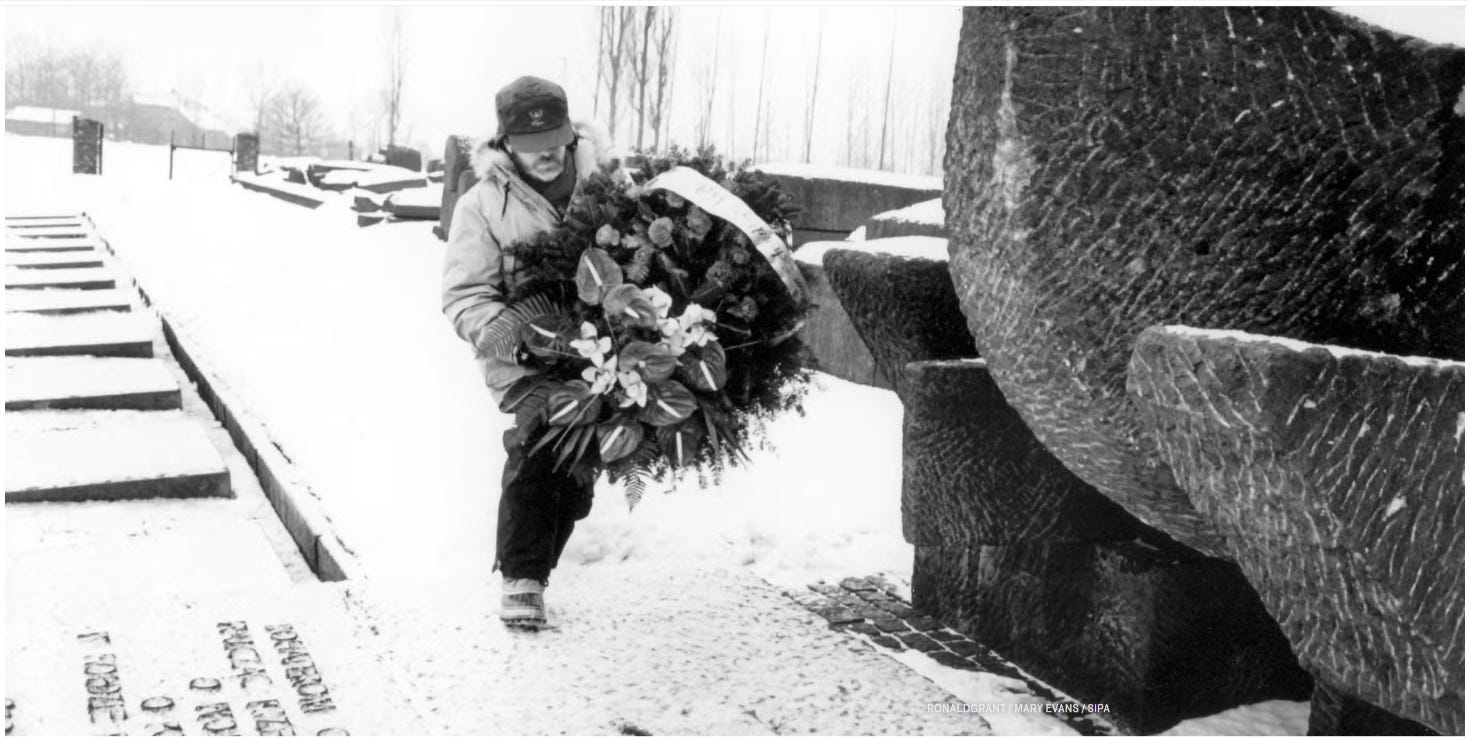
Steven Spielberg, guardian of Holocaust memory
By Annick Cojean(Los Angeles, special correspondent)
Published on May 11, 2025, at 8:00 pm (Paris)
14 min readLire en français
You can share an article by clicking on the share icons at the top right of it.
The total or partial reproduction of an article, without the prior written authorization of Le Monde, is strictly forbidden.
For more information, see our Terms and Conditions.
For all authorization requests, contact syndication@lemonde.fr.
https://www.lemonde.fr/en/cinema/article/2025/05/11/steven-spielberg-guardian-of-holocaust-memory_6741150_31.htmlIt was on the plane back to Los Angeles after filming Schindler’s List in Poland, between March and May 1993, that filmmaker Steven Spielberg had the most audacious and ambitious idea of his life. He had just spent three months in Krakow telling the story of Oskar Schindler, the German industrialist and Nazi Party member who managed to save nearly 1,300 Jews by employing them in his enamel and munitions factory during World War II. The filming had been intense, complicated and exhausting. Spielberg, who had waited a decade to make the movie – daunted by the enormity of the subject and its connection to his personal history and Jewish identity – was acutely aware of an immense responsibility. For the first time in his career, he was moved to tears while shooting certain scenes, leading his teams and thousands of extras into a highly realistic vision of the Holocaust’s hell.
Yet, the most overwhelming aspect was his encounters with survivors, especially the “Schindler Jews,” as those saved at the last minute by working for the industrialist were called. One by one, they arrived on set, intrigued and astonished that a filmmaker dared to tackle a story many of them had never spoken about. And very quickly, they expressed their desire to confide in Spielberg. “Listen to me,” they said. “I have a story too, me too!”
The director, focused on his film but touched by this trust, listened, took notes and captured ideas here and there, which he later incorporated into the movie. Of course, all these stories were interesting and immensely valuable, he replied. Of course, they deserved to be heard, preserved and passed on. No survivor should disappear without having shared their personal experience of the Holocaust. It was, in itself, a warning and a message to future generations. In essence, each survivor should become a “teacher.”
…
Editor: What is it about about the danger that proximity to power, that leads reporters of various levels of intelligence, to abandon their reportorial skepticism, about their subjects? @AnnickCojean meets and exceedes the promise of that ensorcellment!
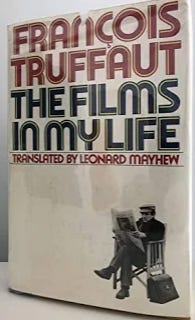
Editor: Begin your your acqaitenship with the ‘autuer theory’ via two books:
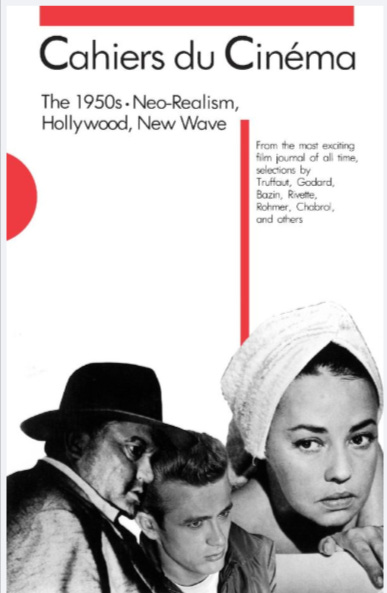
https://www.hup.harvard.edu/books/9780674090613
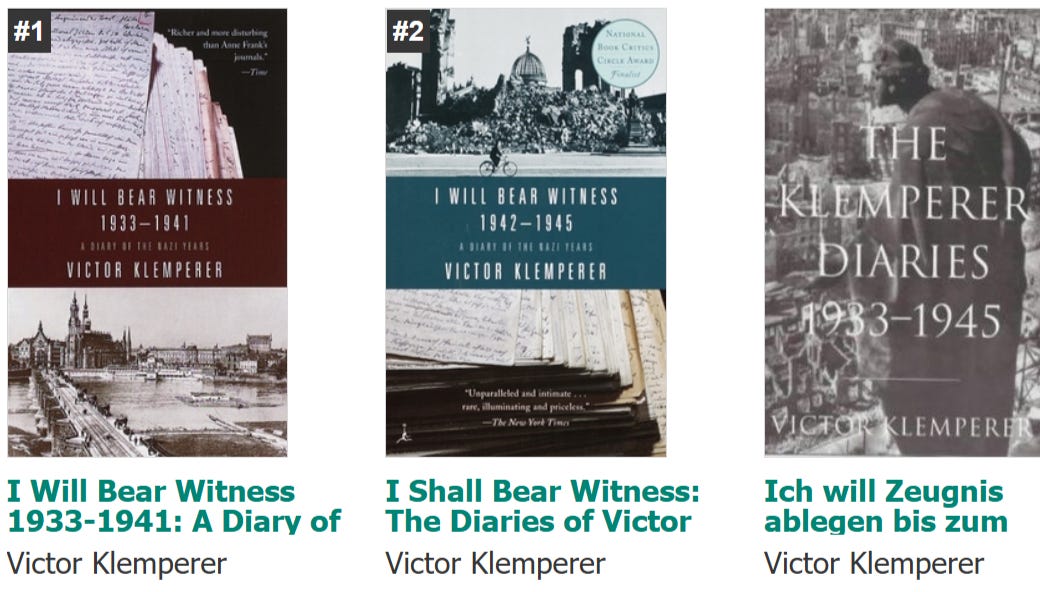
Editor : Add Victor Klempere’s trilogy to your reading list:
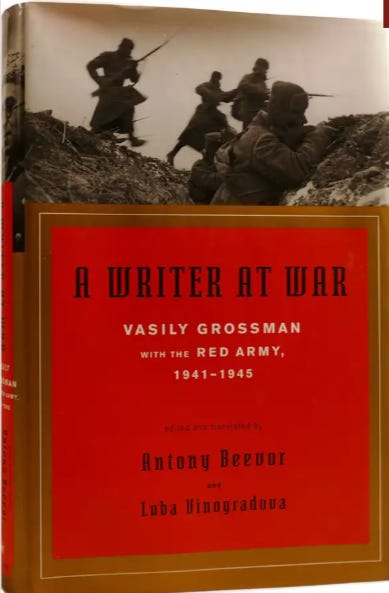
Antony Beevor, Antony Beevor, Luba Vinogradova: A WRITER AT WAR Vasily Grossman with the Red Army, 1941-1945
‘On the liberation of Treblinka and Majdanek extermination camps by the Red Army’
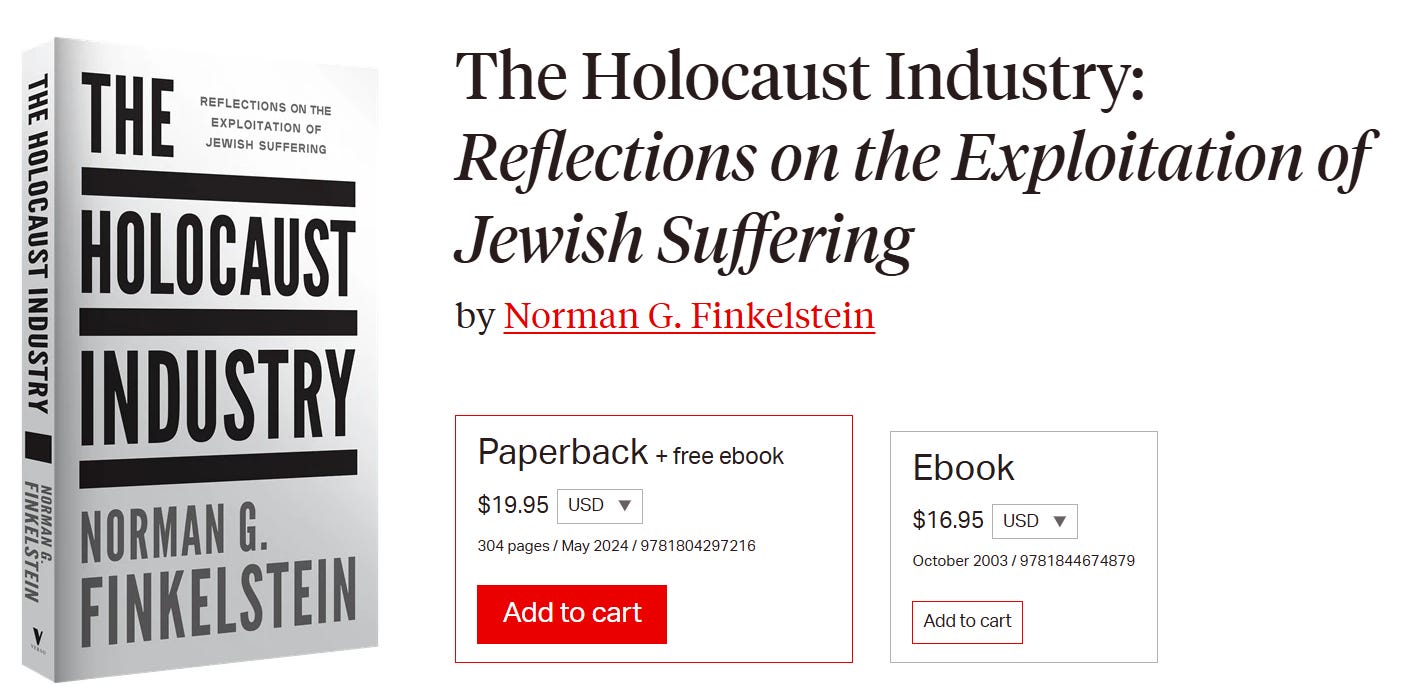
Editor: Do not forget the indispensable: The Holocaust Industry:Reflections on the Exploitation of Jewish Suffering by Norman G. Finkelstein
Newpaper Reader.


 StephenKMackSD's Blog